
Ballet in Transition: 1789-1840
(Edmund Fairfax)
While broad dance-history surveys not uncommonly state that the art of ballet underwent significant changes during the years 1789-1840, there has been, however, little attempt to discern what specific changes affected the technique and style of dance in French theaters, changes which, in turn, were widely imitated in other theaters. This illustrated presentation will attempt to fill the void in part, discussing the dissolution of the old system of distinct dance styles, which informed stage-dancing in the eighteenth century before the French Revolution; the emergence of a new blended style under the influence of the superstar dancer Auguste Vestris during the Revolution; and finally the advent of a reactionary style associated with the age of Romantic ballet and specifically with Marie and Philippe Taglioni. The presentation will look at some specifics in technique and choreography, notably height of leg-extensions, port de bras, pointe-work, step innovation, and the formation of enchaînements.
Edmund Fairfax, Toronto, Canada
Edmund Fairfax is an independent dance historian specializing in eighteenth‑century ballet. His groundbreaking study The Styles of Eighteenth‑Century Ballet (Scarecrow Press) appeared in 2003. He is currently working on completing a major study to be called The Technique of Eighteenth‑Century Ballet, as well as a reconstructive study, with a critical edition of the score, of Maximilien Gardel's 1777 pantomime ballet La chercheuse d'esprit (with Mojca Gal), one of the “classics” of the period. His comprehensive research overturns a number of antiquated notions concerning early ballet. From 2003 to 2008 he was an assistant and adviser to the dance company Ballet Espressivo in Toronto. His choreography in the eighteenth‑century style has appeared on stages in Germany, Switzerland, The Netherlands and Greece, most recently at the Potsdam Early Music Festival (2024) and the Athens World Congress of Dance Conference (2025). He studied classical ballet in Toronto, where he lives, and has an academic background in English literature and music history (University of Regina) and theoretical linguistics (University of Toronto), with special interest in the history of the early Germanic languages, particularly Gothic and Old English.
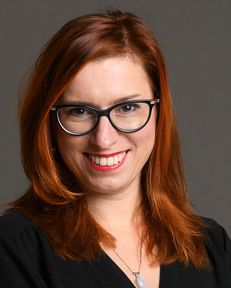
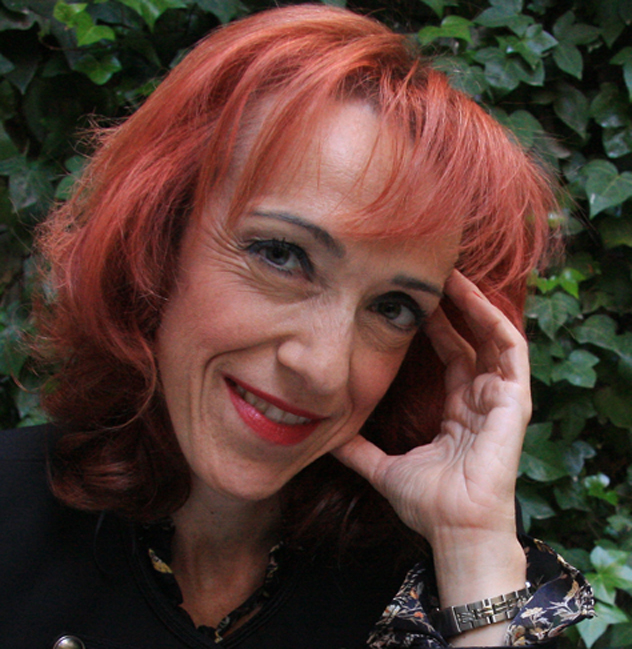 Trained at the Conservatorio Superior de Música de Aragón and at the Schola Cantorum Basiliensis, Pilar Montoya is one of the most relevant harpsichordists, organists and historical dancers on the current scene.
 Mary Barres Riggs (B.A., art history, Harvard University; M.A., dance history, University of Utah, thesis: “John Neumeier and the Symphonic Ballet: Third Symphony of Gustav Mahler.” She has presented papers at national and international conferences, including: the Society for Dance History Scholars, the Congress on Research in Dance, the Sounding Habsburg Conference in NYC, and the EADH Conference in Edinburgh.
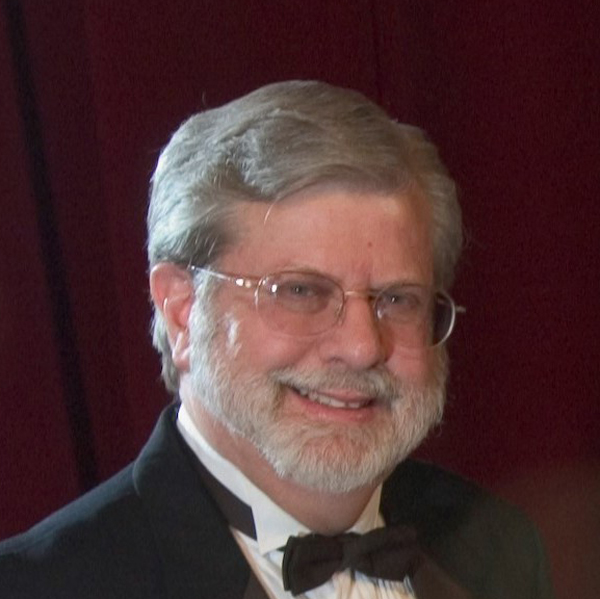 Robert Riggs (Ph.D., musicology, Harvard University) began his career as a violinist, spending five years performing with the Niedersächsisches Staatsorchester in Hannover. Most of his teaching career for musicology and violin was at the University of Mississippi, where he was Chair of the Department of Music, directed the University Artist Series, and performed with the Oxford Piano Trio. He has presented papers at numerous national and international conferences, and his publications include: articles on Mozart, performance practice, and aesthetics (in The Musical Quarterly, Mozart-Jahrbuch, Journal of Musicology, and College Music Society Symposium); two books, Leon Kirchner: Composer, Performer, and Teacher and The Violin (both with the University of Rochester Press); two chapters in The Creative Worlds of Joseph Joachim (Boydell and Brewer); and one chapter in Joseph Joachim: Identities | Identitäten (Olms Verlag).
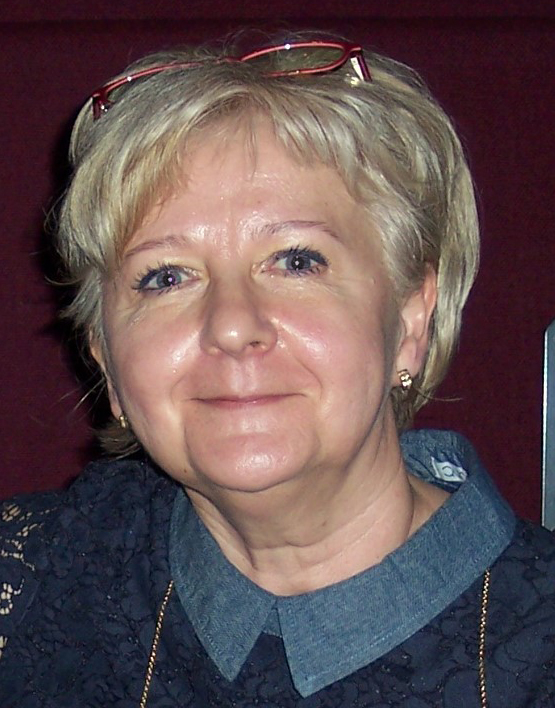 Anita Makuszewska graduated from the Warsaw Ballet School and the M. Rimsky-Korsakov State Conservatory of Music in St. Petersburg at the ballet directing department. She has more than twenty years’ experience in promoting and teaching the art of ballet in Poland and abroad. Currently she is lecturing at the Faculty of Psychology at the University SWPS (Warsaw, Poland).
